The demand for remote support has transformed how medical spas operate. From appointment scheduling to patient communication, today’s virtual assistants have become valuable members of the care team. However, hiring a hipaa compliant virtual assistant involves much more than finding someone with strong administrative skills. MedSpa owners must also navigate privacy regulations, employment laws, secure technology, and clearly defined operational responsibilities to protect both their patients and their business.
When onboarding is handled correctly, a virtual assistant can improve efficiency, reduce administrative burdens, and support a better patient experience without compromising compliance. On the other hand, overlooking legal requirements can expose a practice to HIPAA violations, worker classification disputes, data security risks, and unnecessary financial penalties.
This guide provides a practical legal checklist to help MedSpa owners, practice managers, and healthcare consultants confidently onboard virtual assistants while minimizing risk and building a secure, compliant remote workforce.
Understanding the Role of a MedSpa Virtual Assistant
Virtual assistants have become an essential extension of many MedSpa operations. As patient demand grows and administrative responsibilities become more complex, remote professionals help practices maintain excellent service while allowing clinical staff to focus on delivering patient care.
However, understanding exactly what a virtual assistant should—and should not—do is critical for maintaining compliance and protecting patient safety. Clearly defining responsibilities from the beginning reduces operational confusion and establishes appropriate legal boundaries.
What Is a MedSpa Virtual Assistant?
A MedSpa virtual assistant is a remote professional who supports the administrative, operational, and customer service functions of an aesthetic practice. Unlike general virtual assistants, professionals working within healthcare environments often require specialized knowledge of patient privacy, scheduling workflows, medical terminology, and secure communication practices.
Many providers offering healthcare virtual assistant services also train their teams specifically for medical environments, ensuring they understand confidentiality requirements, documentation standards, and healthcare-specific operational procedures before working with patient information.
Common Administrative, Patient Support, and Marketing Responsibilities
A qualified MedSpa virtual assistant can perform a wide range of non-clinical responsibilities that improve operational efficiency while supporting the patient experience.
Typical responsibilities include:
- Managing appointment scheduling and calendar coordination.
- Responding to patient inquiries through approved communication channels.
- Confirming appointments and following up on cancellations or rescheduling requests.
- Processing intake paperwork and organizing administrative records.
- Assisting with email management and internal communications.
- Coordinating marketing campaigns, social media scheduling, and online reputation management.
- Supporting reporting, billing coordination, and other approved administrative workflows.
These responsibilities allow in-office teams to dedicate more time to patient care while maintaining efficient daily operations.
Tasks That Should Never Be Delegated to a Virtual Assistant
Although virtual assistants provide valuable support, there are important limits to their responsibilities.
Clinical decision-making, diagnosing medical conditions, prescribing medications, performing procedures, providing medical advice, or independently interpreting patient information should always remain the responsibility of appropriately licensed healthcare professionals.
Virtual assistants should also avoid making clinical judgments or communicating treatment recommendations beyond approved administrative protocols. Clearly defining these boundaries helps protect patient safety while reducing regulatory and legal risk.
Determining the Right Employment Relationship
Before hiring a virtual assistant, MedSpa owners should carefully evaluate the legal relationship they intend to establish. Worker classification affects taxation, employment obligations, supervision requirements, liability, and regulatory compliance.
Choosing the appropriate engagement model from the outset helps prevent costly legal disputes while creating a more transparent working relationship.
Employee vs. Independent Contractor
One of the most important onboarding decisions involves determining whether the virtual assistant should be classified as an employee or an independent contractor.
Employees generally work under the organization’s direct supervision, follow established schedules, and receive company-provided tools and training. Employers are typically responsible for payroll taxes, employment benefits where applicable, and compliance with labor regulations.
Independent contractors generally maintain greater control over how they perform their work while providing services under contractual agreements. However, simply labeling someone an independent contractor does not automatically satisfy applicable labor laws. Classification should always reflect the actual working relationship.
Because employment rules vary by jurisdiction, MedSpa owners should seek qualified legal or accounting advice when making classification decisions.
Domestic vs. Offshore Virtual Assistants
Many MedSpas choose between hiring domestic professionals or partnering with offshore virtual assistant providers. Each approach offers unique operational and compliance considerations.
Domestic virtual assistants may already understand local regulations, patient expectations, and communication preferences. Offshore professionals often provide extended service availability and cost efficiencies but may require additional onboarding, compliance education, and secure technology protocols.
Regardless of location, every virtual assistant handling protected patient information should receive comprehensive training on privacy, confidentiality, cybersecurity, and organizational policies before accessing sensitive systems.
Understanding Labor and Tax Considerations
Worker classification also affects payroll administration, tax reporting, insurance requirements, and employment responsibilities.
Organizations should understand applicable wage laws, contractor regulations, tax documentation requirements, and reporting obligations before onboarding remote team members. Failure to comply with employment regulations can result in financial penalties, audits, and unnecessary legal complications.
Developing standardized onboarding processes helps ensure legal responsibilities are addressed consistently for every new hire or contractor.
Creating Legally Sound Contracts
A well-written agreement forms the legal foundation of every successful working relationship. Clear contracts establish expectations, define responsibilities, protect confidential information, and reduce misunderstandings that could create future disputes.
For MedSpas operating within highly regulated healthcare environments, contracts should extend beyond standard service agreements to address privacy, security, compliance, and operational responsibilities.
Independent Contractor Agreements
When working with independent contractors, agreements should clearly describe the nature of the relationship, services provided, payment terms, confidentiality obligations, intellectual property ownership, and termination procedures.
The agreement should accurately reflect the contractor’s level of independence while avoiding provisions that unintentionally create an employment relationship under applicable labor laws.
Clear documentation benefits both parties by establishing expectations before work begins.
Employment Agreements
When hiring employees, written agreements help define job responsibilities, reporting structures, compensation, confidentiality expectations, workplace policies, and performance standards.
Healthcare organizations should also include provisions addressing patient privacy, information security, acceptable technology usage, and organizational compliance requirements.
Comprehensive agreements reinforce accountability while supporting a consistent onboarding experience.
Service Level Agreements (SLAs)
Service Level Agreements establish measurable expectations regarding service quality, response times, communication standards, availability, and operational performance.
For remote teams, SLAs help ensure both the MedSpa and virtual assistant understand performance expectations while creating objective standards for evaluating service delivery.
Well-defined service levels contribute to stronger accountability and improved operational consistency.
Defining Scope of Work and Performance Expectations
Every onboarding process should clearly define which responsibilities belong to the virtual assistant and which remain with licensed healthcare providers or internal staff.
Detailed scopes of work reduce confusion by outlining approved tasks, communication procedures, software access, documentation responsibilities, escalation protocols, confidentiality expectations, and performance metrics.
Many organizations also incorporate instructional design for healthcare principles into onboarding programs to ensure remote professionals receive structured, role-specific education that reinforces compliance, workflow consistency, and patient privacy from their very first day.
A carefully planned onboarding process not only strengthens operational efficiency but also establishes the legal and professional foundation necessary for building a secure, compliant, and high-performing remote support team.
Confidentiality and Non-Disclosure Requirements
One of the most important legal responsibilities when onboarding a remote team member is protecting confidential information. A MedSpa virtual assistant often has access to appointment calendars, patient records, financial information, internal workflows, marketing plans, and other sensitive business assets. Without appropriate safeguards, even an accidental disclosure can create significant legal and reputational consequences.
Hiring a hipaa compliant virtual assistant begins with establishing a culture of confidentiality from day one. Clear legal agreements, documented expectations, and ongoing education help ensure sensitive information is handled responsibly throughout the working relationship.
Why Every Virtual Assistant Needs an NDA
A Non-Disclosure Agreement (NDA) should be one of the first documents signed during onboarding. An NDA legally reinforces the virtual assistant’s responsibility to protect confidential information obtained while performing assigned duties.
Unlike verbal expectations, written confidentiality agreements clearly establish what information must remain private, how it should be handled, and the consequences of unauthorized disclosure. This protection benefits both the MedSpa and the virtual assistant by creating clear expectations from the beginning.
Protecting Business, Patient, and Marketing Information
Confidentiality extends beyond protected health information. Virtual assistants may also access business strategies, pricing structures, employee information, financial reports, vendor contracts, marketing campaigns, and proprietary operating procedures.
Protecting these assets helps preserve competitive advantages while maintaining patient trust. Access to sensitive information should always follow the principle of least privilege, meaning team members receive only the information necessary to perform their assigned responsibilities.
This approach reduces unnecessary exposure while strengthening overall security.
Confidentiality Clauses Every Agreement Should Include
Well-drafted agreements should clearly define what constitutes confidential information, outline acceptable information handling practices, describe data retention requirements, specify return or destruction procedures for company information, and explain obligations that continue after the working relationship ends.
Organizations should also address remote work expectations, secure technology usage, password protection responsibilities, and procedures for reporting suspected security incidents.
These contractual protections provide an additional layer of legal security while reinforcing a compliance-focused workplace culture.
HIPAA Compliance Checklist
HIPAA compliance is one of the most important considerations when onboarding any virtual assistant who may interact with protected health information (PHI). Even when remote professionals perform only administrative duties, they may still access patient data that requires careful protection.
Establishing a structured compliance checklist helps MedSpas reduce legal risk while ensuring remote staff understand their responsibilities before receiving access to sensitive systems.
Understanding HIPAA Requirements for Virtual Assistants
HIPAA applies whenever virtual assistants create, receive, maintain, or transmit protected health information on behalf of a covered healthcare organization.
This means virtual assistants must understand patient privacy principles, secure communication requirements, appropriate record handling procedures, breach reporting responsibilities, and organizational privacy policies before beginning work.
Compliance is not limited to technology—it also depends on employee awareness and consistent daily practices.
Business Associate Agreements (BAAs)
When required under applicable regulations, Business Associate Agreements (BAAs) establish each party’s responsibilities regarding the protection of protected health information.
These agreements define expectations surrounding data security, permitted uses of patient information, breach notification procedures, and regulatory compliance responsibilities.
Healthcare organizations should work with qualified legal counsel to determine when BAAs are appropriate based on the specific services being provided and the applicable legal requirements.
HIPAA Training Before System Access
Virtual assistants should never receive access to electronic health records, scheduling systems, or patient communication platforms until they have completed appropriate privacy and security education.
Structured onboarding should include HIPAA awareness, secure communication practices, password management, phishing prevention, incident reporting, and organization-specific privacy policies.
Many providers offering healthcare virtual assistant services integrate these compliance modules into onboarding to ensure remote professionals understand healthcare-specific responsibilities before interacting with patient information.
Maintaining Ongoing Compliance
Compliance should continue throughout the entire working relationship rather than ending after initial onboarding.
Regular refresher training, policy updates, internal audits, access reviews, and cybersecurity awareness programs help reinforce best practices while addressing emerging security risks and regulatory changes.
Continuous education strengthens organizational resilience while reducing the likelihood of preventable compliance violations.
Data Privacy and Cybersecurity Essentials
Protecting patient information requires more than compliance documentation. Effective cybersecurity practices reduce the risk of unauthorized access, ransomware attacks, phishing incidents, and accidental data exposure.
Every virtual assistant should receive standardized security guidance supported by clearly documented organizational policies.
Secure Password Management
Weak or reused passwords remain one of the most common causes of unauthorized system access.
Organizations should require strong, unique passwords for every system, encourage password manager usage where appropriate, and prohibit sharing login credentials among employees or contractors.
Regular password updates and secure credential management help strengthen overall information security.
Multi-Factor Authentication (MFA)
Multi-Factor Authentication adds an important layer of protection by requiring additional identity verification beyond a password alone.
Even if login credentials become compromised, MFA significantly reduces the likelihood of unauthorized access to scheduling systems, patient records, communication platforms, and cloud-based applications.
Whenever available, MFA should be enabled across all systems containing sensitive healthcare information.
Device and Network Security Standards
Remote work environments should meet minimum security requirements before virtual assistants begin handling confidential information.
Organizations should establish expectations regarding operating system updates, antivirus protection, secure Wi-Fi usage, screen locking, device encryption, and restrictions on public network access.
Some organizations also provide dedicated business devices to further strengthen security and simplify technology management.
Encryption and Secure File Sharing
Patient information should never be transmitted using unsecured communication channels or consumer-grade file-sharing methods that do not meet organizational security standards.
Approved encrypted communication tools, secure cloud storage, and protected file transfer systems help ensure sensitive information remains confidential during storage and transmission.
Organizations should also define clear procedures for securely deleting files when they are no longer required.
Standard Operating Procedures (SOPs)
Strong compliance depends on more than legal agreements and cybersecurity controls. Clear Standard Operating Procedures (SOPs) ensure every virtual assistant performs responsibilities consistently while following approved workflows that protect both patients and the organization.
Well-documented procedures also simplify onboarding, reduce operational errors, and support long-term quality improvement.
Creating Clear Workflow Documentation
Every recurring task should have documented instructions describing the expected workflow from beginning to end.
Written SOPs help eliminate inconsistencies by standardizing appointment management, documentation procedures, communication protocols, software usage, and escalation processes across the entire remote team.
Detailed documentation also makes future onboarding significantly more efficient.
Appointment Scheduling Protocols
Scheduling procedures should clearly explain how appointments are created, confirmed, rescheduled, canceled, and documented within approved practice management systems.
Virtual assistants should understand provider availability, treatment preparation requirements, cancellation policies, and documentation expectations to ensure consistent patient experiences.
Standardized scheduling reduces administrative errors while improving operational efficiency.
Patient Communication Guidelines
Every patient interaction should reflect the MedSpa’s professionalism, privacy standards, and communication policies.
Guidelines should address approved messaging templates, identity verification procedures, response time expectations, appropriate communication channels, documentation requirements, and situations requiring escalation to licensed healthcare professionals.
Consistent communication strengthens patient trust while supporting regulatory compliance.
Escalation Procedures for Clinical Concerns
Virtual assistants should never independently manage clinical questions or make medical decisions. SOPs should clearly identify situations that require immediate referral to licensed providers.
These procedures should include guidance for urgent patient concerns, treatment complications, medication questions, abnormal symptoms, and requests for clinical advice.
Many organizations strengthen these onboarding programs using instructional design for healthcare principles to create structured, role-specific learning that reinforces legal responsibilities, workflow consistency, privacy standards, and decision-making boundaries. Combined with detailed SOPs, this educational approach helps transform virtual assistants into knowledgeable, compliant operational partners who support MedSpa teams while protecting patient safety.
Compliance Training Requirements
Hiring a virtual assistant is only the first step. Long-term success depends on providing structured compliance education that prepares remote team members to work safely within a regulated healthcare environment. A hipaa compliant virtual assistant is not defined simply by job title—it is someone who consistently follows privacy, security, and operational standards through proper training and ongoing education.
Comprehensive compliance training protects patients, reduces legal exposure, and creates a culture of accountability across the entire MedSpa organization.
HIPAA and Patient Privacy
Every virtual assistant who handles protected health information should understand the core principles of patient privacy before receiving access to healthcare systems.
Training should cover appropriate handling of protected health information (PHI), minimum necessary access, confidentiality expectations, breach reporting procedures, and secure communication practices. Employees should also understand the organization’s privacy policies and how their daily responsibilities affect regulatory compliance.
Consistent education reinforces good habits while reducing the likelihood of preventable privacy violations.
Fraud Prevention and Security Awareness
Cybersecurity threats continue to evolve, making fraud prevention an essential part of every onboarding program.
Virtual assistants should receive practical education on recognizing phishing attempts, avoiding social engineering attacks, identifying suspicious communications, verifying payment requests, and reporting potential security incidents immediately.
Security awareness training helps transform employees into one of the organization’s strongest defenses against cyber threats.
Communication and Professional Conduct Standards
Remote professionals represent the MedSpa every time they interact with patients, vendors, or internal team members.
Compliance education should establish expectations regarding professionalism, respectful communication, confidentiality, documentation practices, conflict resolution, and appropriate use of digital communication tools.
Clear behavioral standards contribute to stronger patient experiences while protecting the organization’s reputation.
Ongoing Compliance Education
Healthcare regulations, cybersecurity risks, and organizational policies change regularly. Compliance education should therefore continue throughout the virtual assistant’s employment rather than ending after initial onboarding.
Refresher courses, policy updates, simulated security exercises, and periodic competency assessments help reinforce best practices while keeping remote staff informed of emerging compliance requirements.
Patient Communication Policies
Patient communication requires both professionalism and consistency. Because virtual assistants frequently serve as the first point of contact, their interactions directly influence patient trust and the overall perception of the practice.
Clearly documented communication policies help ensure every conversation supports patient privacy, operational efficiency, and high-quality customer service.
Maintaining Professional Boundaries
Virtual assistants should always understand the limits of their role when communicating with patients.
Administrative support, appointment coordination, and general information are appropriate responsibilities. Clinical advice, treatment recommendations, diagnoses, medication guidance, and interpretation of medical information should always remain with licensed healthcare providers.
Establishing these boundaries protects patients while reducing organizational liability.
Secure Messaging Best Practices
Every communication involving patient information should follow approved security protocols.
Organizations should require virtual assistants to use authorized communication platforms, verify patient identities before sharing information, avoid unsecured messaging applications, and follow documented procedures for handling sensitive conversations.
Consistent communication standards strengthen both privacy protection and patient confidence.
Documentation Standards for Every Interaction
Accurate documentation creates continuity across the patient journey while supporting compliance and quality assurance.
Virtual assistants should record appointment updates, communication summaries, scheduling changes, and administrative interactions using approved documentation standards established by the organization.
Complete documentation also supports future audits, internal reviews, and patient service improvements.
Managing Sensitive Conversations
Occasionally, patients raise concerns involving complications, complaints, financial disputes, or emotionally sensitive situations.
Virtual assistants should receive structured guidance on responding professionally, documenting concerns accurately, remaining empathetic, and escalating clinical or legal issues to the appropriate internal personnel without attempting to resolve matters independently.
Handling Payments and Financial Information
Many virtual assistants assist with billing coordination, payment processing, insurance documentation, or financial communications. These responsibilities require strong security controls and clearly documented financial procedures.
Protecting financial information is just as important as protecting medical records.
Payment Card Security Considerations
Organizations that process credit or debit card payments should establish secure payment procedures that minimize exposure to sensitive financial information.
Virtual assistants should only use approved payment systems while following organizational policies regarding payment processing, identity verification, and secure handling of financial data.
Secure Billing Procedures
Billing workflows should clearly describe how invoices are generated, payments are recorded, refunds are processed, and financial questions are handled.
Standardized procedures reduce administrative errors while ensuring billing information remains accurate, consistent, and appropriately documented.
Preventing Financial Fraud
Internal financial controls help reduce the risk of fraud and unauthorized transactions.
Organizations should separate financial responsibilities whenever possible, implement approval processes for sensitive transactions, monitor unusual account activity, and educate virtual assistants on recognizing fraudulent requests.
Proactive oversight protects both patients and the practice from avoidable financial losses.
Recordkeeping and Audit Trails
Accurate financial documentation supports transparency, accountability, and regulatory compliance.
Organizations should maintain detailed records of financial activities while ensuring authorized personnel can review transaction histories when necessary.
Well-maintained audit trails simplify investigations and strengthen internal governance.
Marketing and Social Media Responsibilities
Many MedSpa virtual assistants also assist with marketing initiatives, making compliance equally important in promotional activities. Every advertisement, patient testimonial, or social media post represents the practice publicly and should comply with applicable regulations and organizational policies.
Marketing should always support transparency, professionalism, and patient trust.
Legal Guidelines for Promotional Content
Marketing materials should accurately represent treatments, expected outcomes, provider qualifications, and available services.
Virtual assistants should receive guidance on approved messaging, prohibited claims, required disclosures, and internal review processes before publishing promotional content.
Clear approval procedures reduce the risk of misleading or non-compliant advertising.
Patient Consent for Testimonials and Images
Patient photographs, testimonials, and treatment results require proper authorization before publication.
Virtual assistants should understand organizational consent procedures and verify that appropriate permissions have been obtained before sharing any patient-related content through websites, advertisements, or social media platforms.
Respecting patient privacy remains essential even when marketing goals are involved.
Advertising Compliance in Medical Aesthetics
Medical aesthetics advertising often involves additional legal and ethical considerations beyond traditional consumer marketing.
Organizations should ensure promotional materials remain truthful, balanced, evidence-based, and consistent with applicable healthcare advertising regulations while avoiding unrealistic treatment promises.
Protecting Brand Reputation
Every online interaction influences public perception of the practice.
Virtual assistants should respond professionally to reviews, comments, and inquiries while following established communication guidelines and escalating sensitive issues when appropriate.
Consistent brand representation strengthens patient confidence and supports long-term business success.
Common Legal Mistakes MedSpas Make When Hiring Virtual Assistants
Many legal challenges result not from intentional misconduct but from incomplete onboarding processes and inconsistent operational standards.
Recognizing these common mistakes helps MedSpa leaders build stronger compliance programs before problems arise.
Skipping Written Agreements
Verbal expectations create uncertainty and increase legal risk.
Every working relationship should be supported by written agreements that clearly define responsibilities, confidentiality obligations, service expectations, and compliance requirements.
Granting Excessive System Access
Providing unrestricted access to software systems increases the likelihood of accidental privacy violations.
Organizations should grant access based on job responsibilities while reviewing permissions regularly as responsibilities evolve.
Neglecting Compliance Training
Even experienced virtual assistants require healthcare-specific education before accessing patient information.
Ongoing compliance training reinforces legal responsibilities while helping organizations adapt to evolving regulations and cybersecurity threats.
Failing to Document Policies and Procedures
Undocumented processes create inconsistency and confusion.
Written policies covering privacy, communication, cybersecurity, financial procedures, marketing responsibilities, and escalation protocols provide clear guidance while strengthening legal defensibility.
Many organizations combine documented policies with structured instructional design for healthcare to create standardized onboarding programs that improve knowledge retention and operational consistency.
The Future of Virtual Assistant Compliance in MedSpas
As digital healthcare continues expanding, compliance programs must evolve alongside new technologies and changing regulatory expectations. Future onboarding strategies will increasingly combine automation, analytics, and continuous education to strengthen both security and operational performance.
Organizations that invest proactively in compliance today will be better positioned for tomorrow’s healthcare landscape.
AI-Powered Compliance Monitoring
Artificial intelligence is beginning to assist organizations by identifying unusual system activity, monitoring access patterns, detecting potential compliance risks, and supporting internal audits.
These technologies help compliance teams respond more quickly while strengthening overall governance.
Automation for Secure Access Management
Automated identity management systems simplify user provisioning, permission reviews, password enforcement, and access removal when responsibilities change.
Automation reduces administrative burden while minimizing human error in security management.
Evolving Privacy Regulations
Healthcare privacy requirements continue to change as technology advances and new cybersecurity risks emerge.
Organizations should regularly review legal requirements, update policies, and provide ongoing education to ensure compliance programs remain aligned with current regulations.
Building Resilient Remote Healthcare Teams
Successful remote teams combine skilled professionals, strong operational procedures, secure technology, and continuous education.
Many organizations partner with providers of healthcare virtual assistant services that prioritize compliance-focused recruitment, onboarding, and ongoing professional development. Combined with structured operational processes and effective instructional design, these partnerships help MedSpas build resilient remote teams capable of supporting patient care while maintaining the highest standards of privacy, security, and legal compliance.
Conclusion: Protecting Your MedSpa Through Legally Sound Virtual Assistant Onboarding
Hiring a virtual assistant is no longer simply a staffing decision—it is an operational and compliance strategy that directly influences patient trust, data security, and long-term business success. A hipaa compliant virtual assistant can help MedSpas improve efficiency while supporting exceptional patient experiences, but only when supported by structured onboarding, clearly defined responsibilities, and strong legal safeguards.
By implementing comprehensive onboarding procedures, MedSpa owners create an environment where remote professionals understand not only what they are expected to do, but also how to perform their responsibilities safely, securely, and in accordance with healthcare regulations.
A legally sound onboarding process protects the practice, strengthens patient confidence, and positions virtual assistants as trusted operational partners rather than simply remote administrative support.
Why Compliance Is a Competitive Advantage
Compliance is often viewed as a regulatory obligation, but it also creates a meaningful competitive advantage. Patients are increasingly aware of how healthcare organizations protect sensitive information, and businesses that demonstrate strong privacy and security practices inspire greater confidence.
A well-trained remote workforce reduces operational risk, improves consistency, and reinforces the professionalism that patients expect from modern medical aesthetics practices.
Organizations that prioritize compliance also strengthen relationships with physicians, consultants, vendors, and strategic partners who value responsible business operations.
Balancing Operational Efficiency With Legal Responsibility
Delegating administrative responsibilities allows providers to spend more time delivering patient care, but efficiency should never come at the expense of legal compliance.
The most successful MedSpas build operational systems where secure technology, documented procedures, structured onboarding, and continuous education work together seamlessly. Every workflow should support productivity while protecting confidential information and maintaining regulatory standards.
Balancing operational performance with legal responsibility creates sustainable growth without exposing the organization to unnecessary risk.
Creating a Secure Foundation for Sustainable Growth
As MedSpas continue expanding their remote workforce, secure onboarding will become even more important. Organizations that establish standardized compliance programs today will be better prepared to scale their teams, adopt new technologies, and respond to evolving regulatory requirements.
Investing in strong onboarding processes creates long-term operational resilience while supporting safer patient experiences, stronger employee accountability, and more consistent business performance.
Summary
Successful virtual assistant onboarding requires far more than assigning administrative tasks. It involves building a structured compliance framework that protects patient information, supports legal obligations, and creates clear operational expectations from the very beginning.
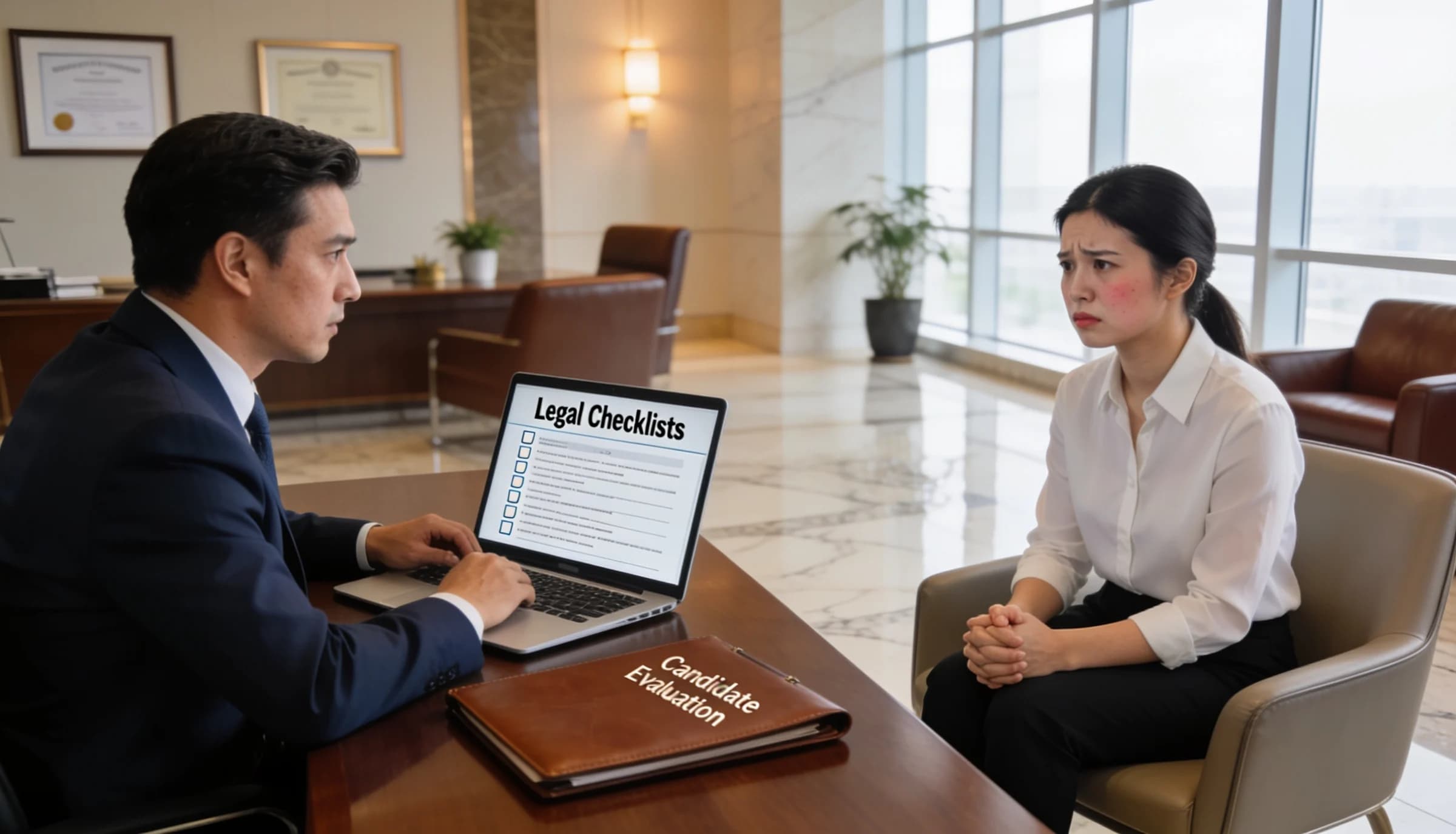
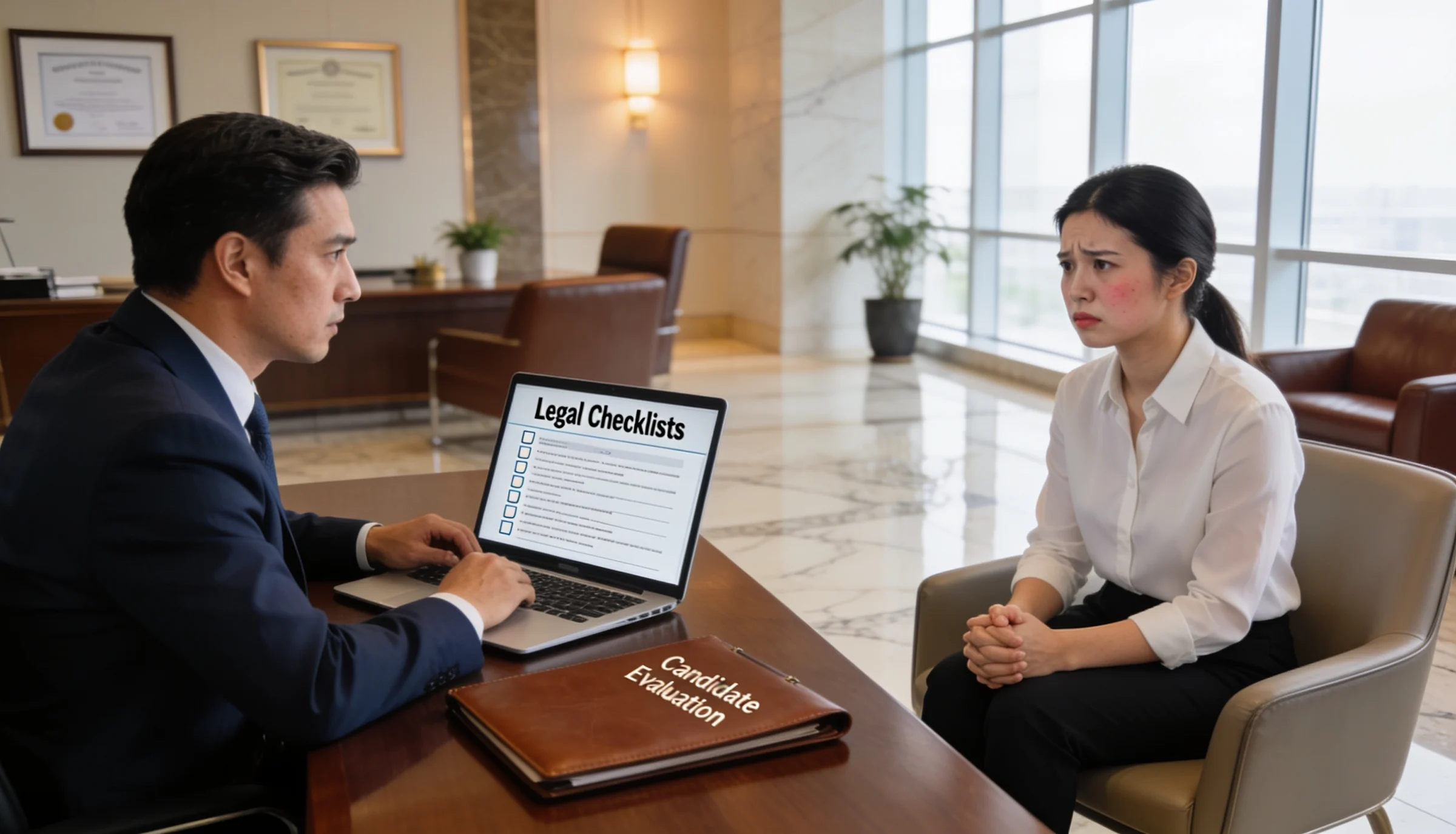
By following standardized legal checklists, MedSpas can confidently expand their remote workforce while minimizing risk and improving organizational efficiency.
The Essential Legal Checklists Every MedSpa Should Follow
A comprehensive onboarding process should include:
- Proper worker classification and employment documentation.
- Written contracts and confidentiality agreements.
- Role-specific scopes of work and performance expectations.
- HIPAA education and privacy training.
- Business Associate Agreements (when applicable).
- Cybersecurity requirements and secure technology access.
- Standard Operating Procedures (SOPs).
- Documented communication, financial, and marketing policies.
- Ongoing compliance education and periodic policy reviews.
These foundational elements help establish consistency while protecting both patients and the organization.
Key Compliance Requirements for Virtual Assistants
Every virtual assistant working within a healthcare environment should understand patient privacy responsibilities, secure communication practices, cybersecurity expectations, documentation standards, confidentiality obligations, and escalation procedures for clinical concerns.
Organizations should also maintain appropriate access controls, monitor compliance regularly, and reinforce education through ongoing training rather than treating compliance as a one-time event.
Best Practices for Secure, Efficient, and Scalable Onboarding
Building a high-performing remote workforce requires continuous improvement. MedSpas should standardize onboarding documentation, implement secure technology solutions, review system permissions regularly, update policies as regulations evolve, and invest in role-specific education.
Many organizations strengthen onboarding by combining healthcare virtual assistant services with structured instructional design for healthcare, ensuring every remote professional receives consistent, engaging, and compliance-focused education from their first day onward.
This combination supports scalable growth while maintaining operational excellence and patient trust.
Frequently Asked Questions (FAQs)
What is a MedSpa virtual assistant?
A MedSpa virtual assistant is a remote professional who supports non-clinical operations such as appointment scheduling, patient communication, administrative coordination, billing support, marketing assistance, and other approved business functions. They help improve operational efficiency while allowing licensed providers to focus on patient care.
Does a MedSpa virtual assistant need HIPAA training?
Yes. Any virtual assistant who may access, receive, maintain, or transmit protected health information should receive appropriate HIPAA education before accessing healthcare systems. Ongoing refresher training also helps maintain compliance and reinforces best practices.
What legal documents should be signed before onboarding a virtual assistant?
Depending on the working relationship, organizations commonly use employment agreements or independent contractor agreements, confidentiality or non-disclosure agreements (NDAs), acceptable use policies, technology access agreements, and other documentation outlining responsibilities and compliance expectations.
What is a Business Associate Agreement (BAA), and when is it required?
A Business Associate Agreement is a legal contract used in certain situations where an external individual or organization performs services involving protected health information on behalf of a covered entity. Whether a BAA is required depends on the nature of the relationship and applicable legal requirements. MedSpas should consult qualified legal counsel to determine when a BAA is appropriate.
Which tasks can legally be delegated to a MedSpa virtual assistant?
Administrative responsibilities such as appointment scheduling, patient reminders, intake coordination, document management, billing support, customer service, and approved marketing activities may generally be delegated, depending on organizational policies and applicable laws. Clinical decision-making, diagnoses, treatment recommendations, and medical procedures should always remain with appropriately licensed healthcare professionals.
How can MedSpas protect patient information when working with remote staff?
Protection begins with role-based access controls, secure communication platforms, strong authentication, encrypted file sharing, written privacy policies, confidentiality agreements, ongoing compliance education, and regular security reviews. Limiting access to only the information necessary for assigned responsibilities further strengthens patient privacy.
What cybersecurity measures should be implemented before granting system access?
Organizations should require strong password policies, multi-factor authentication, secure devices, encrypted communications, approved software, updated antivirus protection, secure Wi-Fi connections, and documented incident reporting procedures before remote staff access sensitive systems.
How often should virtual assistants complete compliance training?
Compliance education should occur before system access is granted and continue regularly throughout employment. Many organizations schedule annual refresher courses while also providing additional training whenever regulations, organizational policies, or cybersecurity risks change.
What are the biggest legal mistakes MedSpas make during onboarding?
Common mistakes include misclassifying workers, failing to use written agreements, granting excessive software access, neglecting HIPAA education, overlooking cybersecurity standards, failing to document operational procedures, and providing insufficient ongoing compliance training.
How can MedSpas build a secure and compliant long-term virtual workforce?
Organizations should establish standardized onboarding programs, maintain clear policies, provide continuous compliance education, review system permissions regularly, document operational procedures, implement strong cybersecurity controls, and foster a workplace culture that prioritizes privacy, accountability, and continuous improvement.
How Can V-Assist Help With MedSpa Virtual Assistant HIPAA Trainings?
Building a compliant remote workforce requires more than hiring experienced virtual assistants—it requires structured education, standardized onboarding, and continuous compliance support.
V-Assist helps MedSpas develop hipaa compliant virtual assistant onboarding programs that combine healthcare-specific operational training, HIPAA education, cybersecurity awareness, and standardized workflows. Through customized learning resources, role-specific training, and compliance-focused onboarding, V-Assist helps virtual assistants confidently support administrative operations while protecting sensitive patient information.
In addition to delivering specialized healthcare virtual assistant services, V-Assist applies proven instructional design for healthcare principles to create engaging, practical learning experiences that improve knowledge retention and operational consistency. This approach enables MedSpa owners, practice managers, and healthcare organizations to onboard remote professionals more efficiently while reducing legal and compliance risks.
Ready to build a secure, compliant, and high-performing remote team? Partner with V-Assist to streamline MedSpa virtual assistant onboarding, strengthen HIPAA compliance, and create a scalable workforce that supports exceptional patient care and sustainable business growth.